Insider tips for rubbish clearance near Raynes Park station
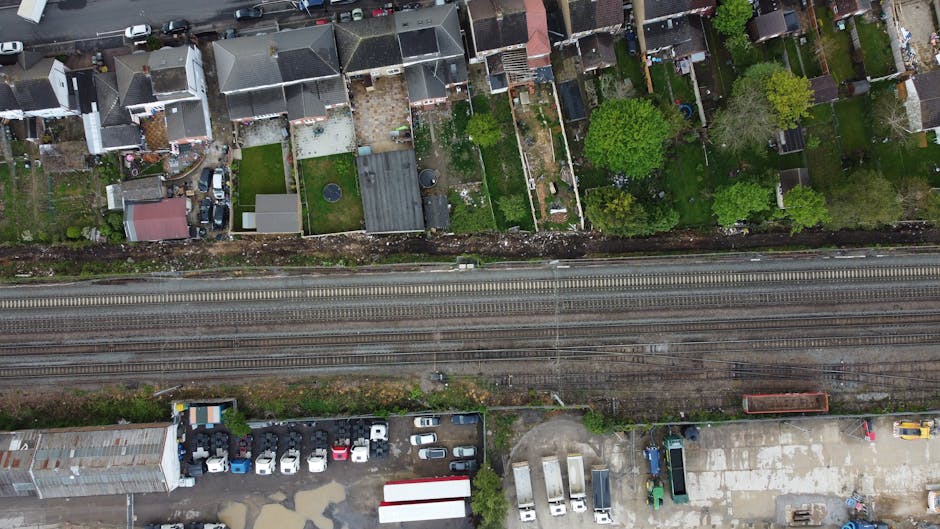
If you live, work, or rent near Raynes Park station, rubbish has a way of building up faster than you expect. A few flat-pack boxes, a broken chair, some garden cuttings, old office files, and suddenly the place feels crowded and awkward. The good news? With the right approach, rubbish clearance near Raynes Park station can be straightforward, tidy, and much less stressful than most people imagine.
This guide pulls together practical insider tips that help you plan better, avoid surprise costs, and choose a clearance method that actually suits your space. Whether you are dealing with a flat near the station, a shop unit, a shared house, or a one-off bulky load after a clear-out, you will find real-world advice here rather than fluff. And yes, a bit of local know-how goes a long way.
One quick note before we dive in: the best clearance job is usually the one that feels almost boring in hindsight. No drama, no missed collection window, no mystery extras. Just a clean space and one less thing on your list.
- Why it matters near Raynes Park station
- How rubbish clearance works
- Key benefits and practical advantages
- Who this is for and when it makes sense
- Step-by-step guidance
- Expert tips for better results
- Common mistakes to avoid
- Tools, resources and recommendations
- Law, compliance, standards and best practice
- Options and comparison table
- Case study and real-world example
- Practical checklist
- Conclusion
- Frequently asked questions
Why Insider tips for rubbish clearance near Raynes Park station Matters
Raynes Park is busy in the way many London transport spots are busy: people are coming and going, pavements can feel tight, parking is not always generous, and timing matters. That changes how rubbish clearance should be handled. What works on a quiet suburban road can be a nuisance near a station if it blocks access, takes too long, or creates a mess on the pavement.
That is why local context matters so much. If you are clearing rubbish from a top-floor flat, a back garden, a small office, or a rental property, the logistics can be half the job. You are not only thinking about what leaves the property, but also how it gets moved out without upsetting neighbours, tripping over station traffic, or making the job drag on.
Truth be told, a lot of people only look at disposal once the clutter has already become annoying. But the better route is to think through access, sorting, and disposal before anyone starts lifting. That is where the insider tips come in. A little planning can save you time, money, and a fair bit of frustration.
Practical takeaway: near a station, the smartest clearance plan is the one that reduces time on site, keeps access clear, and separates reusable, recyclable, and general waste before collection day.
If you are also trying to keep costs sensible, you may want to compare clearance with other services on the site such as waste removal, home clearance, or a more specific option like furniture clearance. Choosing the right fit is often the difference between a neat, efficient job and paying for more than you need.
How Insider tips for rubbish clearance near Raynes Park station Works
At a simple level, rubbish clearance is about collecting unwanted items, loading them safely, and taking them to the right destination for disposal, reuse, or recycling. Easy enough on paper. In real life, the process has a few moving parts.
First, you identify what needs to go. That sounds obvious, but people often underestimate the volume. A small pile in the hallway can turn into several cubic yards once it is boxed, bagged, or dismantled. Next, you decide what can be reused, recycled, or disposed of separately. Then you plan access: stairs, lifts, narrow entrances, parking restrictions, and the time of day all matter.
Near Raynes Park station, timing can make or break a smooth collection. Early mornings may be quieter for access, but not always best if residents are leaving for work. Late afternoons can be busier. Mid-morning is often a sweet spot, though that depends on the property and local conditions. There is no magic rule, just common sense and a bit of observation.
In our experience, the best clearance jobs are the ones where the customer has already grouped items sensibly before the team arrives. That means less back-and-forth, fewer delays, and a cleaner finish. It also makes it easier to spot anything that needs special handling, like appliances, mattresses, or materials that should not be mixed with ordinary household waste.
If you have odd items such as a fridge, a sofa, or heavy appliances, look at the specific services for fridge and appliance removal or mattress and sofa disposal. Special items need a more careful plan, and sometimes a different collection method altogether.
Key Benefits and Practical Advantages
The benefits of getting rubbish clearance right go beyond simply having less stuff around. Near a station, the practical gains can be surprisingly noticeable.
- Less disruption: a quick, organised collection keeps hallways, entrances, and pavements clear.
- Better value: sorting items properly can reduce unnecessary labour and avoid paying for a larger load than needed.
- Cleaner property presentation: useful for landlords, agents, sellers, and businesses that need a tidy impression fast.
- Safer access: fewer trip hazards, less lifting chaos, and a lower chance of damage to walls, doors, or communal areas.
- More recycling potential: separating usable materials helps support recycling and sustainability goals.
- Less stress: honestly, this is the one many people care about most.
There is also a time-saving advantage. If you have ever spent an entire Saturday breaking down furniture, making multiple trips, and trying to fit awkward items into a car, you already know the difference a proper clearance service can make. One efficient visit can beat a whole day of DIY faffing about. No contest, really.
For commercial spaces, the value is even clearer. Office clutter, packaging waste, and old fixtures can interfere with day-to-day work. A tidy clearance process supports a better working environment and makes future maintenance easier. If that is your situation, it may be worth looking at office clearance or business waste removal instead of a generic one-off approach.
Who This Is For and When It Makes Sense
Rubbish clearance near Raynes Park station is useful for a wide range of people, not just homeowners doing a big spring clean.
Homeowners and tenants
If you are moving out, refurbishing, downsizing, or simply reclaiming storage space, clearance helps you reset the property without the clutter hanging around for weeks. Flats near stations often have limited storage, so waste builds up quickly. One spare room becomes the unofficial dumping ground. We have all seen it.
Landlords and letting agents
Turnaround matters. If a tenant leaves furniture, bags, or unwanted household items behind, a fast clearance can help prepare the property for inspection, cleaning, and relisting. In these situations, speed matters, but so does judgement. Not everything should be rushed into one pile if there are items that can be reused or separated responsibly.
Local businesses
Shops, small offices, salons, studios, and hospitality premises near transport links often generate mixed waste, packaging, or outdated fixtures. A measured clearance approach can help avoid clutter near entrances and staff areas.
People handling one-off bulky items
Maybe it is one heavy wardrobe. Maybe it is a pile of garden waste after a weekend of pruning. Maybe it is a garage that has become a museum of old boxes. If a trip to the tip would be awkward, or if you lack the right vehicle, professional clearance can simply make sense.
To be fair, not every situation calls for a large-scale service. Sometimes a targeted option like garage clearance, loft clearance, or garden clearance is the better fit. The point is to match the method to the mess.
Step-by-Step Guidance
Here is a practical way to approach rubbish clearance near Raynes Park station without making the process harder than it needs to be.
- Walk the space slowly. Look at every room, cupboard, corridor, and outside area. Make a note of heavy items, bagged waste, awkward materials, and anything fragile.
- Separate the categories. Create simple groups: keep, donate, recycle, general waste, and special disposal. You do not need a perfect system. Just avoid dumping everything into one pile.
- Measure the access. Check stairs, lifts, corridors, parking access, and any narrow turns. If it is a flat near a station, this part matters more than people think.
- Set aside special items. Appliances, mattresses, electronics, and potentially hazardous items should be identified in advance. That way there are no surprises on the day.
- Take clear photos. If you are requesting a quote, photos help with accuracy. A blurry photo of a bag pile at dusk is not ideal. Ask anyone who has had to guess from that sort of image.
- Choose a collection window. Pick a time that suits the property, the neighbours, and parking conditions. A neat clearance often depends on a calm arrival, not a rushed one.
- Confirm the disposal route. Ask how the waste will be handled, especially if you want recycling or certain items separated.
- Prepare the path. Move small obstacles, protect delicate flooring if needed, and keep communal routes free. The smoother the route, the faster the job usually goes.
- Do a final sweep. Before the team leaves, check cupboards, loft hatches, under desks, and behind doors. It is always the little overlooked thing, isn't it?
If you need a more comprehensive property-level cleanout, services like house clearance or flat clearance may be more appropriate. The clearer you are about the type of job, the better the result tends to be.
Expert Tips for Better Results
Here are the little details that separate a smooth clearance from a messy one.
1. Photograph the load in natural light. Morning light or daylight near a window gives a much better view than a hallway lit by one tired bulb. It helps with accurate quoting and avoids misunderstandings.
2. Put the heaviest items nearest the exit. That sounds basic, but it saves a surprising amount of time and effort. The fewer extra turns and lifts, the better.
3. Keep recyclables separate where practical. Cardboard, metal, clean wood, and some appliances may be suitable for different handling. Even a rough split can help.
4. Think about noise. If you are near other flats or offices, avoid dragging items across floors or banging furniture against walls. A little care goes a long way in shared buildings.
5. Watch for hidden weight. Old filing cabinets, waterlogged garden waste, or furniture packed with bits and pieces can weigh far more than they look. It is the classic trap.
6. Ask about insurance and safety practices. A trustworthy clearance provider should be able to explain how items are handled and how damage risk is reduced. For more on that, it is worth looking at insurance and safety and health and safety policy.
7. If speed matters, book before the clutter becomes critical. A same-week clearance is usually easier to arrange than a last-minute rescue after a move-out deadline. Leave yourself a bit of breathing room if you can.
One small but useful habit: keep a "maybe" box. If an item is not clearly rubbish, not clearly charity-worthy, and not something you want to think about today, place it there. It stops decision fatigue from slowing everything down.
Common Mistakes to Avoid
Most clearance headaches come from a handful of preventable mistakes. Nothing dramatic. Just the sort of thing that creates avoidable stress.
- Underestimating the volume. A few bags can multiply fast once items are broken down.
- Forgetting access issues. A van may not be able to park right outside the building, and stairs do not move for anyone.
- Mixing hazardous or sensitive waste with general rubbish. Some items need special handling. Do not assume everything is treated the same.
- Leaving sorting until the collection day. That usually slows everything down and can increase costs.
- Not checking what is excluded. Certain items may require separate arrangements, especially if they are bulky, contaminated, or potentially unsafe.
- Choosing purely on price. Cheapest is not always best if it leads to delays, hidden extras, or poor disposal practices.
- Skipping the final property check. People forget cupboards, sheds, lofts, behind radiators. It happens constantly.
A small practical warning: do not pile waste in shared entrances or outside the station-facing side of a building unless you are sure it is allowed and scheduled for immediate removal. It can become an eyesore quickly, and nobody wants that awkward neighbour conversation. Best avoided.
Tools, Resources and Recommendations
You do not need specialist equipment for every rubbish clearance, but a few simple tools make things much easier.
- Heavy-duty sacks or boxes: useful for sorting and carrying smaller waste safely.
- Marker pens and labels: ideal for marking keep, recycle, dispose, or donate.
- Gloves and sturdy footwear: basic, but worth it when moving awkward items.
- Tape measure: helpful when checking furniture dimensions, lift access, and doorway clearance.
- Phone camera: for inventory photos, quote requests, and before/after checks.
- Protective blankets or cardboard: useful for avoiding scratches on floors and walls during removal.
On the service side, there are a few useful pages to compare depending on what you need. If you are moving bulky domestic items, furniture disposal or furniture clearance can be a better fit than a broad waste job. For building work leftovers, builders waste clearance is often the right category. For mixed household clutter, home clearance is often the most straightforward starting point.
If you are comparing options and want a broader view of value, the company's pricing and quotes page is the logical place to look. And if you prefer to plan ahead rather than phone around at the last minute, book online can be a handy route.
Law, Compliance, Standards and Best Practice
Any rubbish clearance should be handled responsibly. That does not mean you need to become an expert in waste legislation overnight, but you should expect the work to follow accepted UK waste-handling norms.
At a practical level, that means waste should be transported and disposed of through appropriate channels, and special items should be treated separately where needed. If you are clearing commercial waste, confidential papers, or items with sensitive contents, the right process matters even more. For example, secure handling is important for documents, which is why confidential shredding can be relevant for offices and professionals.
Hazardous items are a different category again. Some waste can be harmful, contaminated, or simply not suitable for standard mixed disposal. If you are unsure, ask before the collection happens rather than hoping for the best. That is a bad gamble. For those cases, the dedicated hazardous waste disposal page is worth reviewing.
Best practice also includes:
- clear communication about what is being removed
- careful lifting and loading methods
- keeping access routes safe and unobstructed
- separating recyclable materials where practical
- checking that service terms and payment details are understood in advance
If you want peace of mind around the wider business side, the pages on payment and security, terms and conditions, and privacy policy provide useful context. Not glamorous reading, granted, but helpful all the same.
Options, Methods, or Comparison Table
Different jobs call for different methods. Near Raynes Park station, the best option is often the one that fits the volume, access, and item type rather than the one with the broadest label.
| Method | Best for | Strengths | Limitations |
|---|---|---|---|
| General rubbish clearance | Mixed household or light commercial waste | Flexible, broad, convenient | May not be ideal for specialist items |
| Flat or home clearance | Full rooms, whole properties, end-of-tenancy jobs | Good for larger clear-outs and structured removal | Can be more than needed for a small load |
| Furniture-focused removal | Sofas, beds, wardrobes, tables | Efficient for bulky items | Not always enough if waste is mixed |
| Garden or garage clearance | Outdoor clutter, tools, soil, mixed storage items | Targets specific problem areas | May require separate handling for some materials |
| Business or office clearance | Desks, files, fixtures, packaging, old equipment | Suited to workspaces and commercial needs | May need more planning around access and confidentiality |
How do you choose? Start with the item type, then think about access, urgency, and whether the job is partial or whole-property. If it is mostly a sofa and a mattress, a focused removal service may be enough. If you are dealing with a whole flat after a move, a flat or house clearance is probably more efficient. Simple enough, but easy to overcomplicate.
Case Study or Real-World Example
Picture a two-bedroom flat just a short walk from Raynes Park station. The resident has lived there for years and now needs to clear out before a tenancy change. There are broken shelves, a mattress, a few bags of old paperwork, and a kitchen corner full of miscellaneous items that somehow multiplied over time.
Instead of starting with the van booking, the resident first sorts the items into three groups: keep, dispose, and review later. That last pile is smaller than expected. Good sign. They then move the furniture close to the front room entrance, photograph the main items in daylight, and check the building's access points. There is a narrow stairwell, so they clear the hallway and let neighbours know there will be a brief removal window.
On the day, the clearance goes more smoothly because the awkward decisions were made beforehand. The team spends less time moving things around, and the resident avoids the usual last-minute scramble of "where did I put that cable / receipt / random box of bits?" A few items are set aside for recycling, and the rest are removed efficiently.
The useful lesson here is not glamorous. It is simply that preparation cuts friction. Even ten minutes of sorting can save a lot more time later. That is often the hidden win with rubbish clearance near a station: the less chaotic your preparation, the calmer the whole experience feels.
Practical Checklist
Use this checklist before your clearance day. It keeps things tidy and stops small issues turning into big ones.
- List the items to be removed
- Separate furniture, general waste, recyclables, and special items
- Take photos of bulky or awkward pieces
- Check stairs, lifts, parking, and access routes
- Measure large items if space is tight
- Remove personal documents and valuables first
- Protect floors or walls where needed
- Confirm the time window and likely arrival plan
- Ask about recycling, disposal, and any restricted items
- Do a final sweep of cupboards, lofts, sheds, and under furniture
If you are dealing with packaging, cardboard, or a recent delivery pile-up, the guide on disposing of packaging and cardboard sustainably can be a helpful companion read. Small things often cause the biggest clutter, annoyingly enough.
Conclusion
Rubbish clearance near Raynes Park station is easier when you think beyond the load itself and plan for access, timing, item type, and disposal method. That is the real insider edge. Not secret tricks, just good judgement used early enough to matter.
For domestic clear-outs, bulky item removal, office tidying, or end-of-tenancy clean-ups, a little preparation can save money and reduce hassle. And near a busy transport area, that calm, organised approach is worth even more. You want the job done cleanly, quickly, and without the usual faff.
If you are still deciding which option fits best, compare the relevant service pages, gather a few photos, and think through what truly needs to go. You will probably find the whole thing is simpler than it first looked. Not effortless, maybe, but manageable. Very manageable.
Get a free quote today and see how much you can save.
Sometimes the nicest outcome is just walking back into a cleared space and feeling your shoulders drop a little.
Frequently Asked Questions
What is the best way to arrange rubbish clearance near Raynes Park station?
Start by sorting items into clear groups, taking photos, and checking access to the property. Then choose the service that matches the load, whether that is general rubbish removal, flat clearance, furniture disposal, or a more specific option.
How far in advance should I book a clearance?
If you can, book a little ahead of time, especially if you need a convenient time slot or have a deadline such as a move-out or office handover. Last-minute bookings can work, but planning usually makes the job smoother.
Is rubbish clearance suitable for flats near the station?
Yes. In fact, it is often especially useful for flats because access can be tight and storage space limited. The key is to plan around stairs, lifts, neighbours, and any parking restrictions.
What items usually need separate handling?
Large furniture, appliances, mattresses, some office materials, and potentially hazardous items may need special care. If you are unsure about a particular item, ask in advance rather than mixing it in with everything else.
Can I reduce the cost by sorting the waste myself?
Often, yes. Sorting items beforehand can reduce time on site and make it easier to identify recyclable materials or special items. A more organised load is usually simpler to quote and handle.
Is it better to use general waste removal or a specialist service?
It depends on the job. General waste removal works well for mixed, smaller loads. Specialist services are usually better for items like furniture, appliances, garden waste, office contents, or builders' debris.
What should I do with confidential papers or documents?
Do not leave them mixed into ordinary waste if they contain sensitive information. A secure shredding process is the safer choice for files, records, and paperwork that should not go into general disposal.
How do I know if something counts as hazardous waste?
If an item could be contaminated, harmful, or unsafe to handle with regular waste, treat it as a possible hazardous item until confirmed otherwise. Ask for guidance before collection so it can be handled correctly.
What if I only have one or two bulky items?
You do not necessarily need a full clearance service. A targeted removal for one or two items can be more efficient, especially if they are heavy, awkward, or difficult to move on your own.
Will rubbish clearance help with end-of-tenancy clean-outs?
Yes. It is often one of the fastest ways to prepare a property for cleaning, inspection, or relisting. The main advantage is getting rid of unwanted items in one organised visit rather than spreading the job over several days.
How can I make the clearance day go faster?
Group items together, clear access paths, label what is going, and keep valuables or personal paperwork separate. If the team can move straight into loading rather than sorting on the spot, the whole process tends to run more efficiently.
Are recycling and sustainability really worth thinking about for a small clearance?
Yes, even for small jobs. Separating recyclable materials, reusable furniture, and general rubbish can reduce waste and support better disposal practices. It also often makes the whole job feel a bit more deliberate and less wasteful.
Where can I learn more about pricing and booking?
You can review the relevant service pages for pricing, booking, and the exact type of clearance you need. If you are comparing options, that extra five minutes of checking can save a lot of back-and-forth later.